
Water and biodiversity
How water is managed and biodiversity protected across UP.
UIE is committed to environmental stewardship and, through its investment in UP, supports the responsible management of water, biodiversity and ecosystems.
Water is carefully managed through rainwater harvesting and conservation measures, while natural habitats and ecosystems are protected through dedicated biodiversity initiatives.
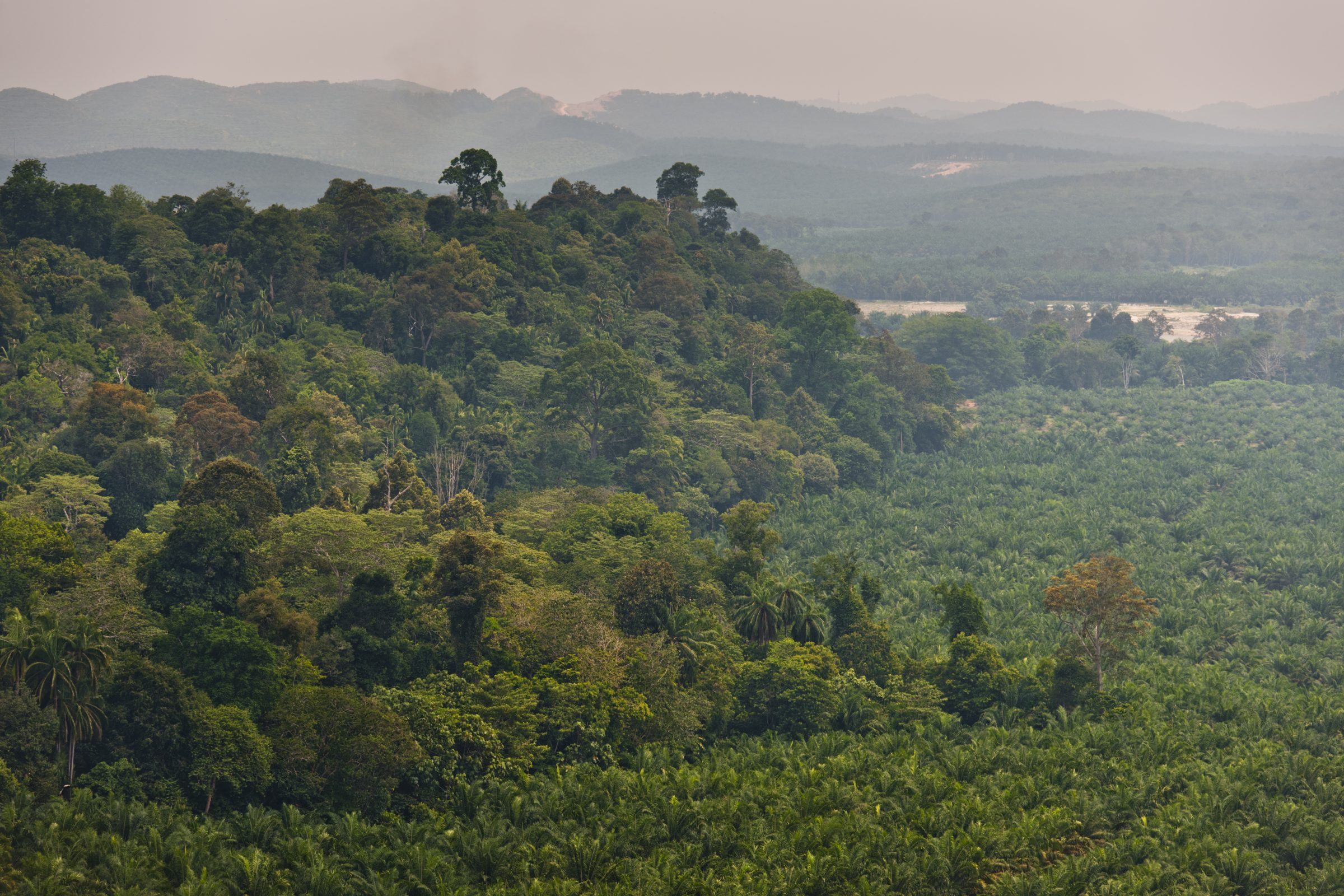
Together with Copenhagen Zoo, a partner since 2007, United Plantations' Biodiversity Department works to protect jungle reserves, wildlife corridors and the species they support.
Water and biodiversity
At a glance
Two topics, one piece of land
What is reported on
Explore UP’s key disclosures and initiatives relating to water, biodiversity, responsible land use and conservation.
Water and marine resources How water is sourced, managed, monitored and conserved across the operations.
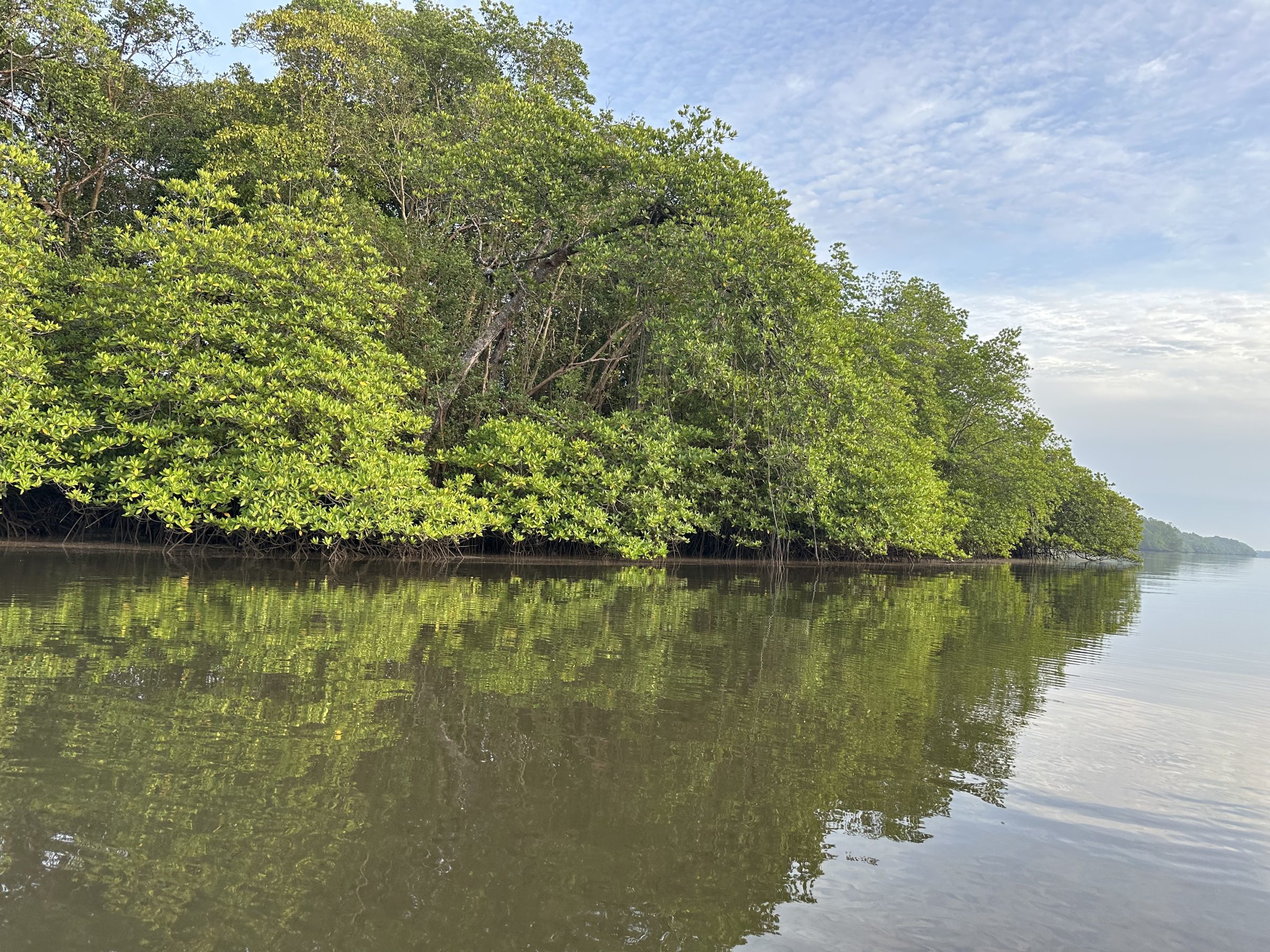
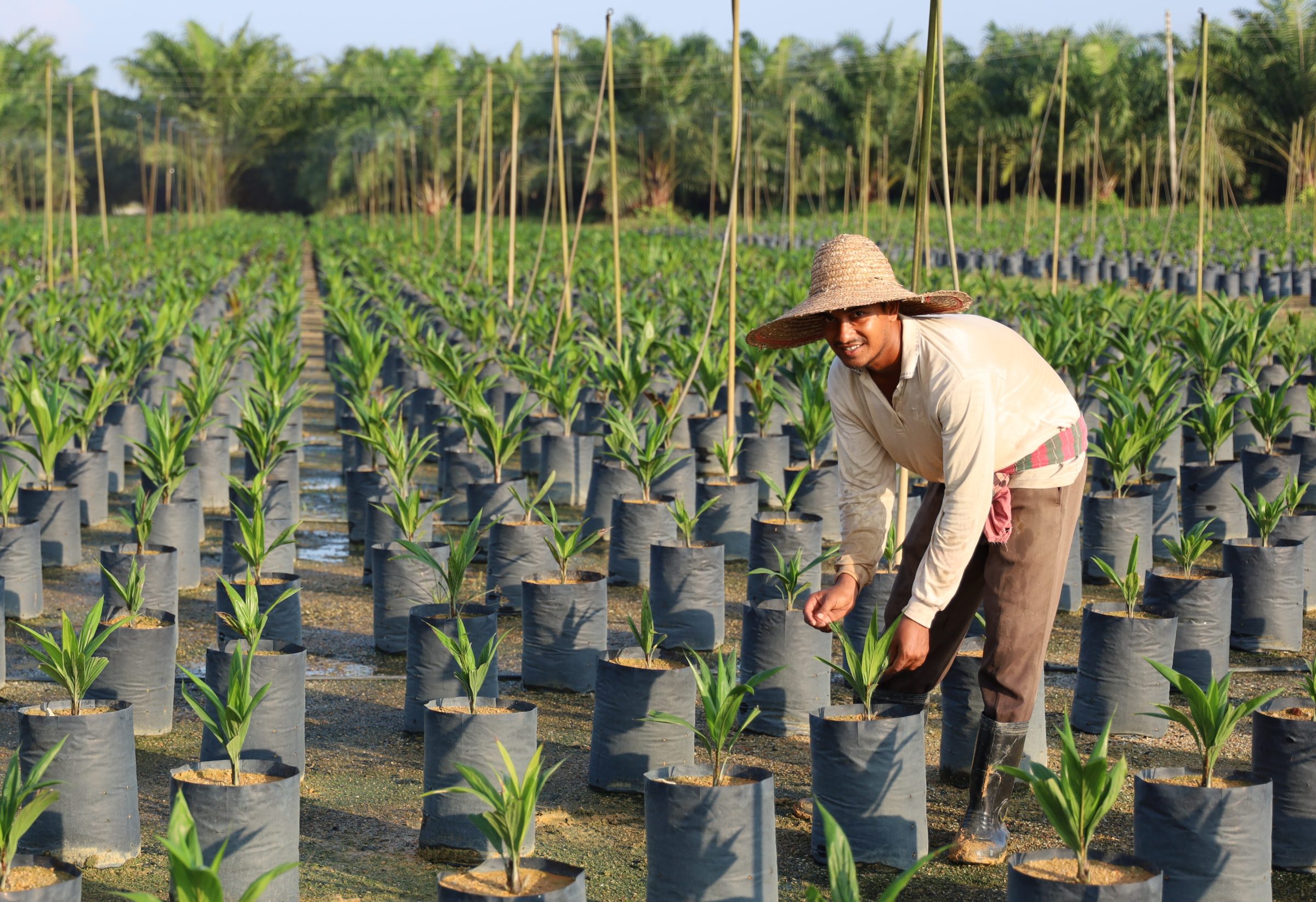
United Plantations' plantations rely primarily on natural rainfall, with irrigation limited to nursery areas. Rainwater is harvested and conserved through a network of water gates, bunds, weirs, canals and drains, helping to maintain water availability during drier periods.
Water use and quality are closely monitored, while wastewater from mills and refineries is treated to minimise the impact on surrounding waterways and ecosystems. Further details are available in the Annual Report.
Biodiversity and ecosystems Protecting habitats and the species that depend on them.
United Plantations protects and restores biodiversity through conservation areas, jungle reserves, wildlife corridors and riparian reserves across its estates. More than 8,000 hectares of land have been set aside for conservation.
Together with Copenhagen Zoo, United Plantations' Biodiversity Department monitors and documents wildlife and plant species, while conservation measures are integrated into the day-to-day management of the plantations.
The Annual Report sets out the conservation areas the group maintains and the work done on them.
No deforestation, and what it means in practice Responsible land use is supported by clear standards and independent certification.
United Plantations follows the RSPO New Planting Procedure, which requires assessments and verification before new oil palm developments. New plantings are intended not to negatively impact primary forest, High Carbon Stock areas, fragile and marginal soils or land belonging to local communities.
Since 2010, United Plantations has also followed a policy of no new development on peatland, regardless of depth.
Why yield is a conservation measure Higher yields can help reduce pressure on land.
Improving productivity on land already under cultivation allows more to be produced without requiring a corresponding increase in planted area. United Plantations therefore regards responsible land management and high agricultural productivity as important elements in limiting pressure on land and natural ecosystems.
Protecting biodiversity in practice
Explore more
-
 SUSTAINABILITY Our approach
How sustainability is governed, and the topics that matter most to UIE.
Read more
-
 SUSTAINABILITY Climate change
How GHG emissions and energy are managed, and initiatives to reduce climate impact.
Read more
-
 SUSTAINABILITY Own workforce
How working conditions, employee well-being and workforce matters are managed.
Read more